If you've been told your wisdom teeth need to come out, your first reaction is probably a mix of "okay, let's get it over with" and "wait, what exactly am I in for?" That's completely normal, and it's a big reason I like to talk patients through the whole thing before we ever schedule anything. At The Dental Experience, we believe a little preparation goes a long way toward a smoother procedure and an easier recovery. Here's what I want you to know.
Wisdom teeth removal gets talked about like it's one scary event, but it's really a process with a beginning, a middle, and an end you can plan for. When you understand each part, the whole thing feels a lot more manageable.
What to expect at your wisdom teeth consultation
Everything starts with a conversation. When you come in about your wisdom teeth, the first thing we do is answer your questions and give you our honest recommendation on how things are likely to go. I'll walk you through how the procedure itself works and exactly what your aftercare will look like, because knowing what's coming takes a lot of the nerves out of it.
I've found that patients really like hearing what a typical experience looks like, start to finish, so that's a big part of the visit. Most of the worry around wisdom teeth comes from not knowing, and once you can picture the day itself and the days after, it stops feeling like a mystery.
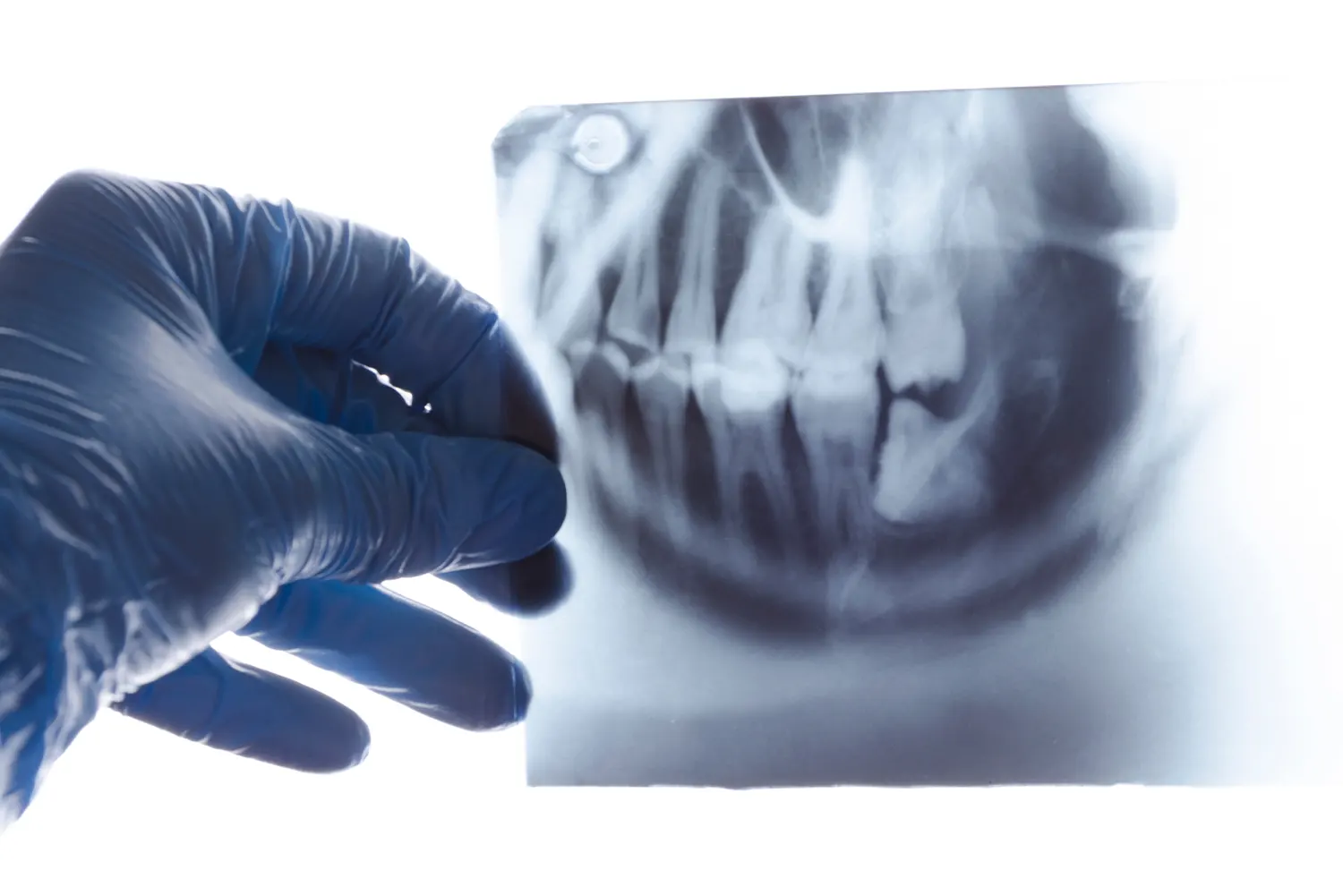
We'll also take some x-rays and look at you clinically. The x-rays matter because so much of what's happening with wisdom teeth is below the surface, where you can't see it in a mirror. Between the images and the exam, we can see what's actually going on and give you the best advice about the right next steps for you, specifically. No guesswork, and no pressure to rush into anything.
Signs your wisdom teeth may need to come out
So how do you know your wisdom teeth are becoming a problem? There are a few signals we watch for, and you may notice some of them yourself.
Pain is the obvious one. You'll sometimes feel it in the back of your mouth where the wisdom teeth sit. Infection is another, and so is food getting packed into certain areas of the gum tissue around those teeth. That trapped food is more than an annoyance, because it feeds the kind of trouble that leads to bigger problems down the line. If you're noticing any of that, it's worth getting checked out sooner rather than later.
Why wisdom teeth cause trouble before they ever hurt
Here's the part that catches a lot of people off guard: wisdom teeth can be problematic even when they're not hurting yet. Pain is not always the first sign of a problem, and waiting for it can cost you.
Sometimes the issue isn't the wisdom tooth itself but the tooth in front of it. A wisdom tooth that's impacted or pushing on its neighbor can start affecting that healthy tooth, and that kind of damage doesn't always announce itself with pain until it becomes too late to fix easily. Your body is remarkably good at masking pain, right up until it can't anymore. Meanwhile, bacteria are opportunistic. They love the hard-to-reach spots around a wisdom tooth where you can't clean well, and they take full advantage.
I like to use a simple analogy with my patients: you don't want to treat a heart attack after the heart attack. If you can get ahead of a problem before it becomes an emergency, you're always better off. The same logic applies here. Addressing a wisdom tooth before it causes real damage is far easier on you than waiting until the pain finally shows up, when the whole thing can become a more difficult process.
How to prepare for wisdom teeth removal
Once you've decided to move forward, there are a few simple ways to prepare in the days leading up to your procedure, and they come down to one idea: the healthier you go in, the better you tend to come out.
Think about it this way. We all go through procedures, and we all get sick from time to time. But the people who are more fit, who are taking care of themselves on a holistic basis, tend to recover noticeably better than those who aren't. Your body heals with the resources you give it, so the days before surgery are a good time to be intentional about how you're treating yourself.
That doesn't mean overhauling your entire life overnight. It means leaning into the basics: eat well, stay hydrated, get good rest, and go easy on the habits that work against healing. Setting yourself up this way gives your body a head start before it even has to do the work of recovering.
What recovery looks like, day by day
One of the most common questions I get is how long recovery takes, and the honest answer is that it's a little different for everyone. That said, there's a general rhythm most patients follow, and knowing it helps you plan.
We like to focus on a few checkpoints. The first few days are the most intensive, so clear your schedule and give yourself real room to rest through them. This isn't the stretch to push yourself. Around day six, most people feel things starting to turn a corner, and the daily improvement becomes easier to notice. By around day 10, patients usually feel a lot better and much more like themselves again.
Keeping those milestones in mind makes the early days easier to get through, because you know relief is on the schedule, not somewhere off in the distance. Everyone's timeline shifts a bit based on their body and how the removal went, so don't measure yourself too strictly against someone else's recovery. Give yours the time it needs.
Dental habits that help you heal faster
What you do during recovery has a real effect on how smoothly it goes. The patients who heal best tend to do a handful of simple things well.
At the top of the list: no smoking. It's one of the biggest things that can slow your healing down, so this is the time to step away from it. Beyond that, lean into healthier habits across the board. Eat a nourishing diet, and make sure you're getting your vitamins and minerals, because those are the building blocks your body uses to repair itself. In my experience, the patients who commit to these things consistently have an easier, faster recovery than those who don't. None of it is complicated. It just works.
Think your wisdom teeth need to go? Let's take a look, Jackson
If you've been told your wisdom teeth need to be removed, or you're noticing pain, pressure, or food getting trapped back there, the smartest move is to get them looked at before small issues turn into big ones. You'll know exactly where you stand, and you'll have a clear plan either way.
Give our Jackson office a call at (517) 787-5367 or check out our website, and we'd be happy to get you checked out. Whatever your wisdom teeth are up to, we'll help you figure out the right next step with no surprises.

Related blog posts

Welcome to The Dental Experience!If you’re new here, welcome! Whether you found us through a friend, a Google search, or by driving past our office on Spring Arbor Road, we’re so glad you’re here. At The Dental Experience, we’re doing things differently, and it starts with how you feel when you walk through our doors.

What Do I Do If My Tooth Cracked?Having a cracked tooth is never fun.